

10 Tips for Successful Dry Season Farming

Dry season farming presents unique challenges, but with the right strategies and tools, you can maintain productive harvests year-round. Here are our top 10 tips for successful dry season farming.
1. Invest in Reliable Irrigation
A consistent water source is the foundation of dry season farming. Solar-powered irrigation systems provide reliable water without fuel costs.
2. Choose Drought-Resistant Varieties
Select crop varieties bred for drought tolerance. Many improved varieties perform well with minimal water once established.
3. Practice Mulching
Apply organic mulch around plants to retain soil moisture and suppress weeds. This can reduce water needs by up to 50%.
4. Time Your Planting
Plant early in the dry season when residual soil moisture is still available. This gives crops a head start before conditions become more challenging.
5. Use Conservation Tillage
Minimize soil disturbance to preserve moisture and soil structure. Zero-tillage or minimum tillage practices help retain water.
6. Implement Drip Irrigation
Drip systems deliver water directly to plant roots, minimizing evaporation and waste. They pair excellently with solar pumps.
7. Monitor Soil Moisture
Regularly check soil moisture levels to avoid over or under-watering. Simple tools like moisture meters can help.
8. Provide Windbreaks
Plant windbreaks or install barriers to reduce evaporation caused by hot, dry winds common in the dry season.
9. Apply Fertilizer Wisely
Use fertilizers efficiently and consider slow-release options. Plants under water stress are more sensitive to fertilizer burn.
10. Plan for Water Storage
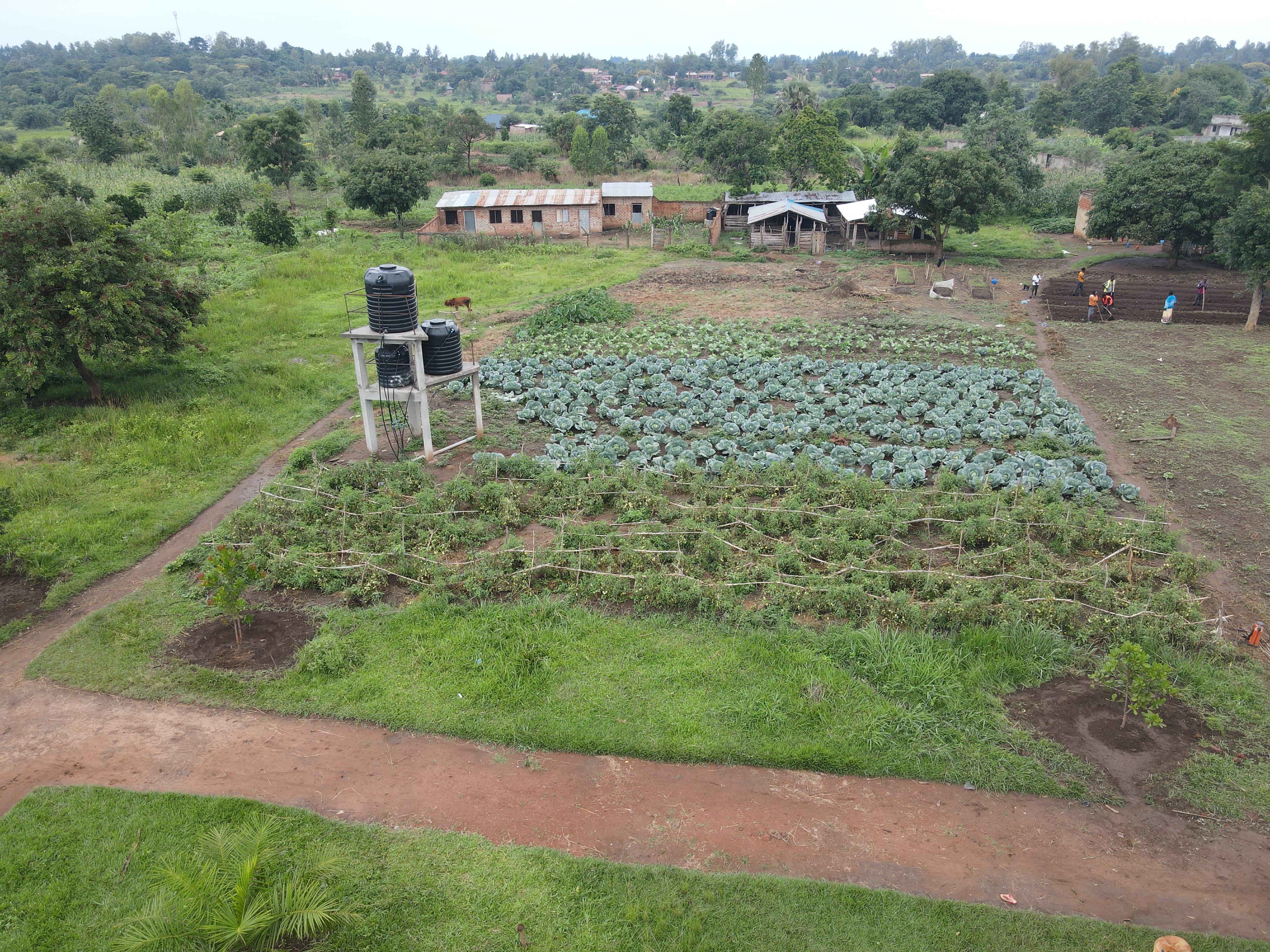
Install water storage tanks to ensure supply during cloudy days or periods of high demand.
At Tulima Solar, we help farmers implement these strategies with our range of solar irrigation solutions. Contact us to learn more.
Did you enjoy this article?
Comments 2
Leave a Comment