

How to Choose the Right Solar Pump for Your Farm
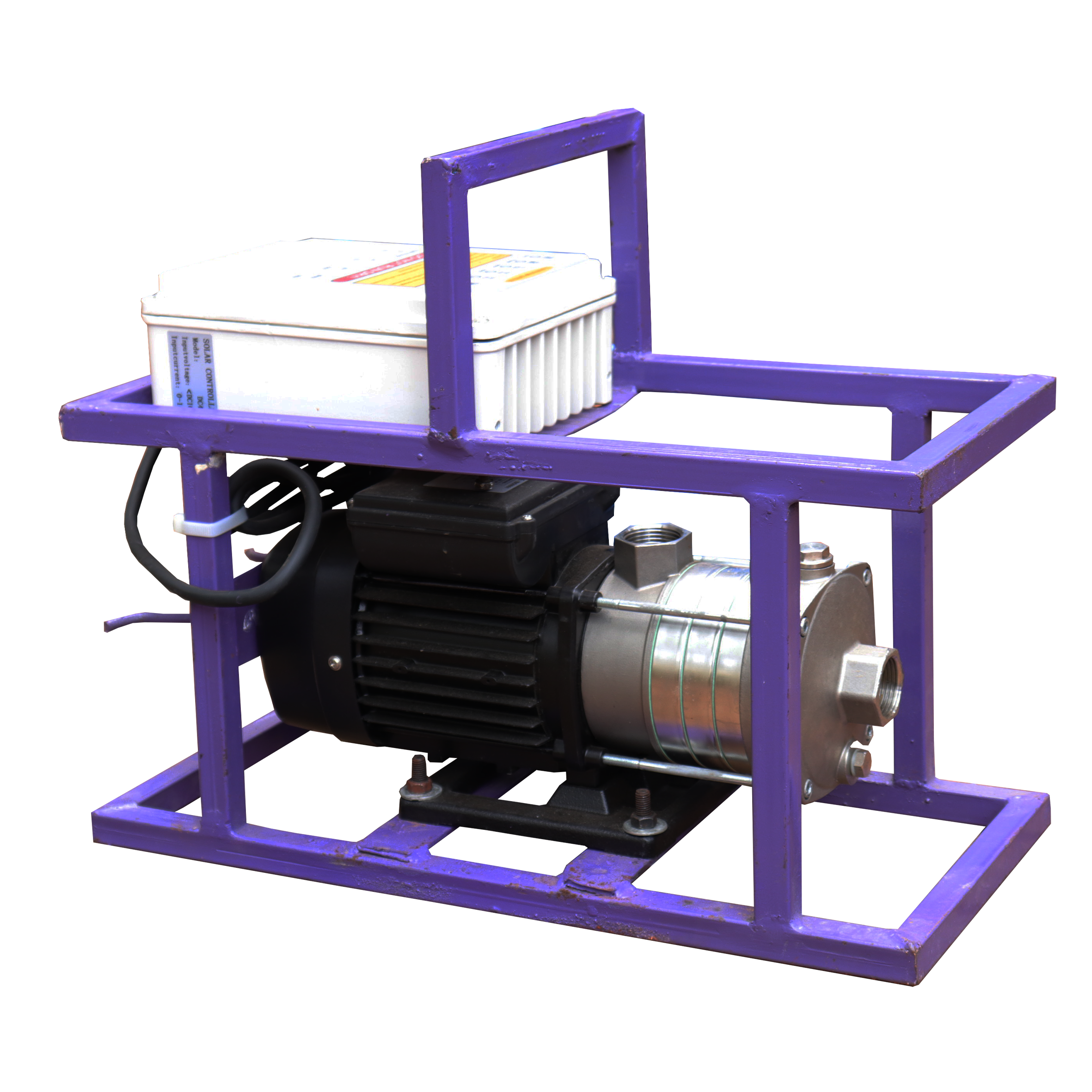
Selecting the correct solar pump is essential for efficient irrigation and long-term satisfaction. This guide walks you through the key factors to consider when choosing a solar pump system.
Assess Your Water Source
The type of water source determines the pump category:
Surface Sources (Rivers, Lakes, Ponds)
- Use surface pumps
- Consider suction lift limits (typically 7 meters maximum)
- Account for seasonal water level changes
Wells and Boreholes
- Use submersible pumps
- Know your well depth and water level
- Consider well diameter for pump fit
Calculate Your Water Needs
Determine daily water requirements:
- Crop needs: 20-50 liters per square meter per week depending on crop
- Livestock: 30-50 liters per animal per day for cattle
- Household: Additional needs for domestic use
Understand Total Dynamic Head (TDH)
TDH is the total height water must be lifted plus friction losses:
- Vertical lift from water source to discharge point
- Pressure required at discharge
- Friction losses in pipes (typically 10-20% added)
Match Pump to Solar Panels
Solar array sizing depends on:
- Pump power requirements
- Daily operating hours needed
- Local solar insolation (average sun hours)
- Seasonal variations in sunlight
Our Pump Selection Guide
| Pump Model | Type | Best For | Max Head | Flow Rate |
|---|---|---|---|---|
| Kilimo Bora | Surface | Small farms (0.5-2 acres) | 30m | 6,000 L/hr |
| Mto Plus | Surface | Medium farms (2-5 acres) | 40m | 10,000 L/hr |
| Kilimo Tosha | Submersible | Shallow wells (10-30m) | 50m | 8,000 L/hr |
| Kilimo Fursa | Submersible | Deep wells (30-70m) | 80m | 15,000 L/hr |
Get Expert Help
Choosing the right pump can be complex. Our team provides free farm assessments to ensure you get the perfect system for your needs. Contact Tulima Solar today.
Did you enjoy this article?
Comments 4
Leave a Comment